Night Vision Problems: Treatment and Home Care
Trouble seeing in dim light is a symptom, not a diagnosis, and the right response depends on what is causing it. Some causes can be corrected, while others need long-term monitoring by an eye doctor. This page covers what an eye doctor may do, habits that make low-light situations safer, and which popular remedies lack good evidence.
- Poor night vision is a symptom. Treatment depends on the cause, such as cataracts, vitamin A deficiency or retinitis pigmentosa[1].
- An eye exam comes first. Updated lenses, cataract surgery or treating a deficiency are the main medical routes[1][2].
- Good lighting, glare reduction and cautious night driving can lower risk at home and on the road.
- Bilberry has not been shown to reliably improve night vision[3].
- More vitamin A is not better. Excess preformed vitamin A can be harmful[4].
Why the cause decides the treatment
Night blindness is the difficulty seeing well in dim light or darkness. It has several possible causes, including cataracts, vitamin A deficiency and retinitis pigmentosa, and treatment depends on which one is responsible[1][5].
This is why guessing at a fix is risky. A person with an outdated glasses prescription needs a very different plan from a person with an inherited retinal condition. A person with a nutritional shortfall needs yet another approach.
An eye exam is the first step. An eye doctor can check the eye's structure, test vision, and decide whether further testing is needed. Treatment suggestions on this page support, but never replace, that exam.
Medical treatments an eye doctor may use
Treatment targets the underlying problem. Depending on the diagnosis, an eye doctor may recommend one of the following.
Updated glasses or contact lenses
Nearsightedness is among the conditions linked to poor night vision, and corrective lenses may improve how clearly a person sees in low light[1]. An up-to-date prescription is a simple place to start.
Cataract surgery
Cataracts cloud the eye's natural lens. The National Eye Institute notes that when cataracts interfere with daily life, surgery to replace the clouded lens with an artificial one is the main treatment[2]. Stronger glasses or better lighting may help in the early stages, but they do not remove the cataract. For more background, see this guide to cataracts.
Treating vitamin A deficiency
When night blindness comes from a true vitamin A deficiency, correcting the deficiency is the treatment[1][5]. The dose and form should be set by a clinician after confirming the problem, not chosen at home.
Managing retinitis pigmentosa
Retinitis pigmentosa is an inherited condition that affects the retina and is one of the recognized causes of night blindness[1]. It needs ongoing care from an eye doctor, who can discuss monitoring, vision aids and current options. Supplements should not be treated as a substitute for that care.
Daily habits and home care
Home care cannot fix the underlying cause, but it can reduce risk and frustration while a diagnosis and treatment plan are underway.
- Light the home well. Use bright, even lighting in hallways, stairs and entrances. Night lights along common paths can help.
- Reduce glare. Matte surfaces and shaded bulbs can cut harsh reflections.
- Give the eyes time to adjust. Moving from a bright room into a dark one is hardest. Pause for a moment before walking.
- Keep paths clear. Remove cords, loose rugs and clutter that are easy to trip over in dim light.
- Keep glasses clean and current. Smudges and scratches scatter light and make dim scenes look worse.
- Track the pattern. Note when the trouble started, whether it is getting worse, and whether it comes with other changes such as blurry vision. This helps an eye doctor narrow down the cause.
Night driving tips
Night driving is where poor low-light vision matters most. A person who struggles to see in the dark should talk to an eye doctor about whether driving after dark is safe.
Some practical steps can help while waiting for an exam or after a diagnosis:
- Limit or avoid driving after dark if seeing the road is difficult.
- Clean the windshield, mirrors and headlights regularly, inside and out.
- Wear current prescription glasses and follow any advice from the eye doctor about lenses.
- Slow down and leave extra distance from the car ahead.
- Plan routes on well-lit roads and arrange rides when possible.
- Do not drive if headlight glare or dim roads make it hard to tell what is ahead.
If night driving feels unsafe, that is a reason to get checked sooner rather than later.
Prevention and nutrition
Not every cause can be prevented. Inherited conditions such as retinitis pigmentosa are not preventable by lifestyle, and age-related cataracts are common[2]. Still, a few steps may help protect vision overall.
- Get regular eye exams. Early detection gives more options, particularly for cataracts and retinal conditions.
- Eat a balanced diet. Vitamin A deficiency is the nutritional cause of night blindness. The NIH notes it is uncommon in the United States but more common in parts of the world where diets are limited[4]. Foods that supply vitamin A include liver, fish, dairy and orange and dark green vegetables[4].
- Treat related health issues. Conditions that affect absorption of fat or nutrients can contribute to vitamin A problems, so these should be discussed with a doctor.
- Support overall eye health. See the guide to eye health for general habits. Nutrients such as lutein and zeaxanthin are studied for other aspects of eye health, but they have not been established as a treatment for night blindness.
More vitamin A is not better. High intakes of preformed vitamin A can cause toxicity, and the NIH sets an upper limit for adults[4]. Excess intake during pregnancy can also raise the risk of birth defects[4]. Anyone who is pregnant or thinking about becoming pregnant should talk to a clinician before taking vitamin A.
What not to rely on
Many products promise sharper night vision. The evidence behind them is weaker than the marketing.
Bilberry
Bilberry is the best-known herbal remedy for night vision. A systematic review in Survey of Ophthalmology looked at controlled trials and concluded that the evidence did not support a clear benefit for night vision. Earlier, weaker studies had suggested a benefit, but better-designed trials did not confirm it[3]. Bilberry should not be counted on to treat night blindness.
Vitamin A when levels are normal
Vitamin A helps correct night blindness caused by a deficiency[1]. That does not mean extra vitamin A will improve night vision in someone who is not deficient. Taking large doses without a confirmed need adds risk without a clear benefit[4].
Multi-ingredient eye formulas
Many eye supplements combine a long list of ingredients. A long list does not prove the product works for night vision. Ingredients should be judged individually, and many have no good evidence for this specific problem.
Waiting it out
The biggest mistake is delaying an exam. Cataracts, retinal disease and nutritional deficiency can all progress, and they are easier to manage when found early.
When to see an eye doctor
Make an appointment if night vision is getting worse, if it began suddenly, or if it affects driving or safe movement at night. Seek prompt care if it comes with other changes, such as vision loss in one eye, flashes of light, new floaters, eye pain or a shadow across the visual field.
Bring a list of medicines and supplements to the visit. Mention any digestive or liver conditions, as well as diet patterns that may limit vitamin A. This information can help the doctor find the cause faster.
Eye supplements we have reviewed
Want to compare products? Read what the research says about nutrients for night vision first, then compare the products below.
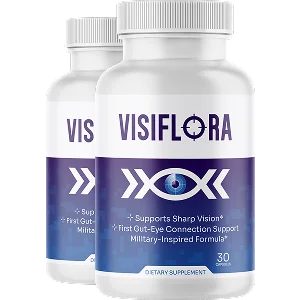
VisiFlora
Listed ingredients: Astaxanthin, Vitamin C, Vitamin E, Copper, Selenium, Chromium
TheyaVue
Listed ingredients: Lutein, Zeaxanthin, Vitamin C, Calcium, Vitamin E, Bilberry Extract
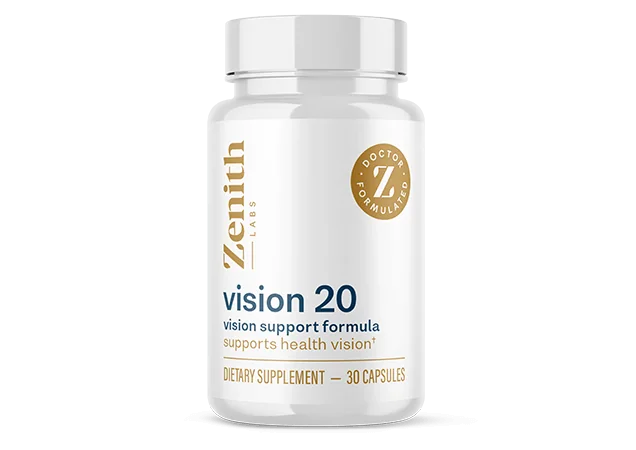
Vision 20
Listed ingredients: Lutein, Zeaxanthin, Zinc, Beta-carotene, Lycopene, Rose Hips
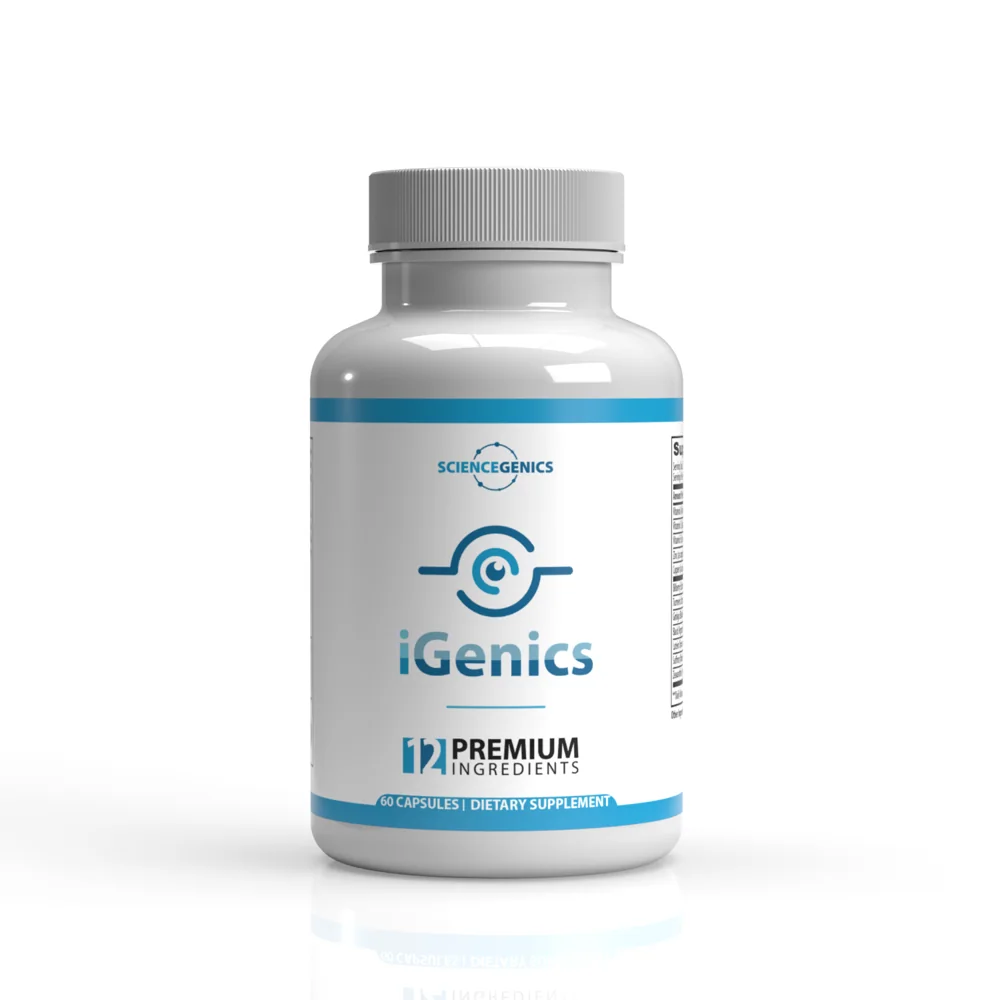
iGenics
Listed ingredients: Ginkgo biloba, AREDS-2 formula ingredients (not itemized), Bilberry, Saffron, Turmeric + BioPerine
Frequently asked questions
Can night blindness be treated?
It depends on the cause. Glasses can help when nearsightedness is involved, cataract surgery addresses cataracts, and a vitamin A deficiency can be corrected[1][2]. Inherited conditions such as retinitis pigmentosa need ongoing care from an eye doctor.
Does bilberry improve night vision?
The evidence is not convincing. A systematic review found that better-designed trials did not confirm the benefits seen in earlier, weaker studies[3]. It should not replace an eye exam.
Should I take vitamin A for poor night vision?
Only if a clinician confirms a deficiency or recommends it. Vitamin A helps when night blindness stems from deficiency, but high intakes of preformed vitamin A can be toxic and are risky in pregnancy[4].
Is it safe to drive at night with poor night vision?
It may not be. If seeing the road in the dark is difficult, limit night driving and see an eye doctor promptly. The doctor can advise on whether driving after dark is safe for you.