Poor Night Vision: Signs, Symptoms and When to Get Checked
Trouble seeing in dim light or after dark is a common reason people book an eye exam. Poor night vision, often called night blindness, is a symptom rather than a disease, and it can have several causes, some easy to correct and some that need prompt care[1]. This page covers what it looks like, how it is diagnosed, which warning signs call for urgent attention, and what happens at an exam.
- Poor night vision is a symptom with several possible causes, including nearsightedness, cataracts, vitamin A deficiency, and retinitis pigmentosa.
- Diagnosis relies on history and a full eye exam, sometimes with retinal or side vision tests and blood work.
- Sudden vision loss, flashes, a curtain-like shadow, or eye pain with vision changes need same-day care.
- Vitamin A deficiency can cause night blindness, but extra vitamin A is not proven to help others and too much can be harmful.
- Evidence for bilberry and night vision is limited, so supplements should not replace an eye exam.
Common signs and symptoms of poor night vision
Night blindness does not mean seeing nothing at night. It usually means difficulty seeing or driving in dim light, such as in a dark room or on an unlit road[2].
Signs people often notice:
- Taking much longer than others to adjust when moving from a bright area to a dark one
- Trouble seeing in a dim restaurant, movie theater, or hallway
- Difficulty judging distances or spotting objects on dark roads
- Feeling uneasy or unsafe driving after sunset
- Bumping into furniture or tripping on curbs in low light
These changes can be gradual. Many people first notice them while driving, then realize they have been avoiding evening outings for some time.
A key point is that night vision trouble is not a diagnosis. It is a clue that something affecting the eye, the retina, or nutrition may need to be found[1].
Symptoms that often travel with night vision trouble
What else is happening can help point toward a cause. This list is for discussion with an eye doctor, not for self-diagnosis.
Glare, halos, and clouded vision
Cataracts are a clouding of the eye's lens. The National Eye Institute lists symptoms such as cloudy or blurry vision, faded colors, glare, halos around lights, and trouble seeing at night[3]. If night driving problems come with these changes, a lens check is reasonable. More background is on our cataracts page.
Distance blur
Nearsightedness is among the causes of night blindness listed by eye organizations, so trouble with distant objects at night may simply mean a prescription needs updating[2]. Daytime softness or haziness is covered in our guide to blurry vision.
Narrowing side vision
Retinitis pigmentosa is an inherited retinal condition that can cause night blindness, and side (peripheral) vision can narrow over time[1]. Bumping into things on one or both sides, or feeling that vision is like looking through a tunnel, should be mentioned at any visit.
Dry eyes or other signs of poor nutrition
Vitamin A deficiency can cause night blindness and, in more severe cases, dry eyes and damage to the front surface of the eye[4]. This is uncommon in the United States, but it can occur with conditions that limit fat or nutrient absorption[4].
How poor night vision is diagnosed
There is no single test for night blindness. The goal is to find the underlying cause, so diagnosis usually starts with a conversation and a full eye exam[2].
An eye doctor will typically ask:
- When the problem started and whether it is getting worse
- Whether one eye or both are affected
- Whether glare, halos, or blurry vision are also present
- Family history of eye disease, especially inherited retinal conditions
- Diet, digestive or liver conditions, past surgery, and medications
- Current supplements and vitamins
From there, the exam may include a vision and prescription check, a look at the lens and retina, and sometimes additional tests of the retina or of side vision[2]. Blood tests, such as a vitamin A level, may be ordered if nutrition is a concern[2].
The cause often decides the next step. Some causes, including nearsightedness and cataracts, can be corrected with glasses or surgery[1]. A deficiency can be addressed under medical guidance. Inherited retinal disease is managed differently, and an eye specialist can explain what is and is not possible.
Red flags: when to seek urgent or same-day eye care
Slowly worsening night vision deserves an appointment soon, but some changes should not wait. Contact an eye doctor the same day, or go to an emergency department if one is not reachable, for any of the following:
- Sudden loss of vision in one or both eyes, even if it is partial or temporary
- A new shower of floaters, flashes of light, or a dark curtain or shadow across part of vision
- Sudden onset of night vision trouble together with eye pain, redness, or headache
- Sudden double vision, or vision changes with weakness, facial drooping, or trouble speaking (call emergency services)
- Eye injury, or vision changes after head trauma
- Quickly worsening side vision loss
These signs can point to problems with the retina, optic nerve, or circulation that are time-sensitive. They are not typical of slowly developing night blindness, but only an exam can sort that out.
Also book a prompt, non-emergency visit if night driving feels unsafe. Stopping night driving until the cause is known is a reasonable precaution.
What to expect at an eye exam for night vision problems
A comprehensive exam usually takes 30 to 90 minutes, longer if the eyes are dilated. Dilating drops can cause light sensitivity and blur for a few hours, so arranging a ride home is wise.
Before the visit:
- Write down when and where trouble occurs, such as driving at dusk or in dim rooms
- List all medications, vitamins, and supplements, with doses
- Bring current glasses or contact lenses
- Note any family history of eye disease
- Be ready to describe glare, halos, and any side vision changes
During the visit, expect questions about your history, vision and prescription testing, a look at the front of the eye and lens with a microscope-style lamp, and a retina exam, often after dilation[2]. Depending on findings, the doctor may add side vision testing, retinal imaging, or blood work[2].
After the exam, ask what the likely cause is, whether it is treatable, whether night driving is safe, and when to return. For a broader overview of routine care, see our eye health hub.
Supplements and night vision: what to know before trying any
Because vitamin A is needed for vision in low light, people often wonder about supplements. The NIH Office of Dietary Supplements notes that night blindness is an early sign of vitamin A deficiency[4]. That does not mean that extra vitamin A helps people who are not deficient, and too much preformed vitamin A can be harmful[4]. Testing and medical advice come first.
Bilberry is another popular choice. A systematic review of bilberry for night vision found that the evidence did not clearly show a benefit, and the better-controlled studies were not convincing[5]. Evidence is limited.
Carotenoids are often discussed for general eye support, and our page on lutein and zeaxanthin covers them, but they are not established as a fix for night blindness. No supplement replaces an exam, and none should delay care for the red flags above.
Eye supplements we have reviewed
Want to compare products? Read what the research says about nutrients for night vision first, then compare the products below.
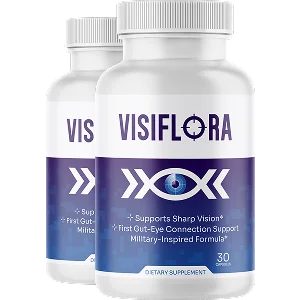
VisiFlora
Listed ingredients: Astaxanthin, Vitamin C, Vitamin E, Copper, Selenium, Chromium
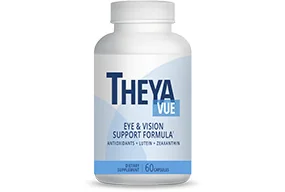
TheyaVue
Listed ingredients: Lutein, Zeaxanthin, Vitamin C, Calcium, Vitamin E, Bilberry Extract
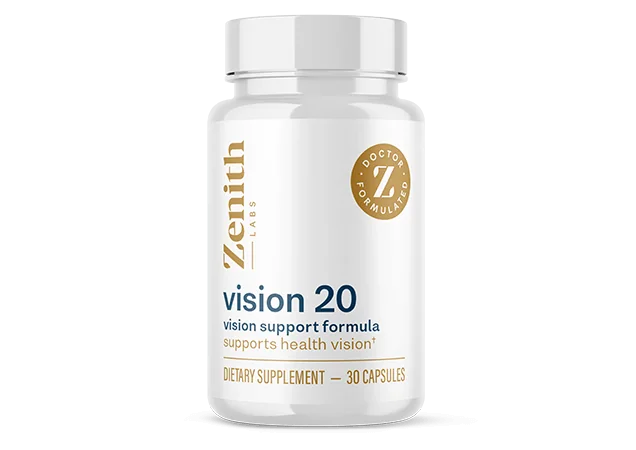
Vision 20
Listed ingredients: Lutein, Zeaxanthin, Zinc, Beta-carotene, Lycopene, Rose Hips
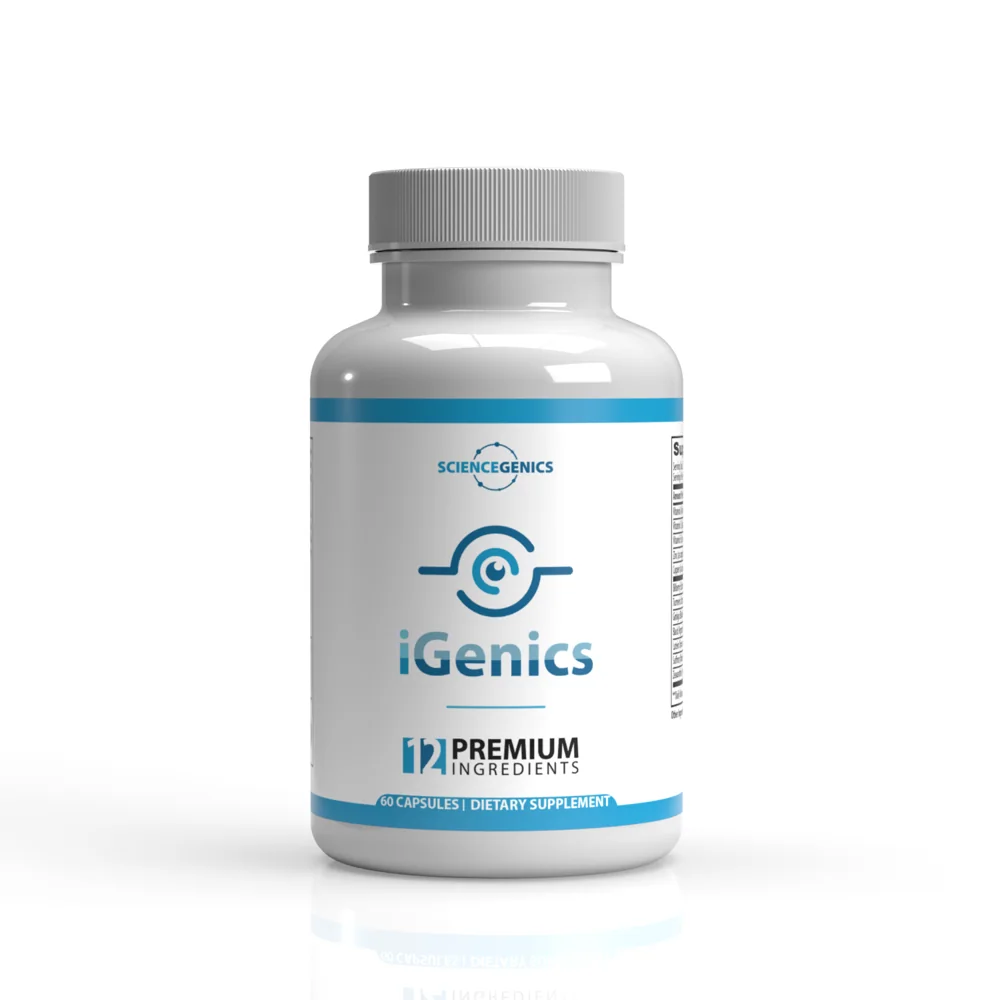
iGenics
Listed ingredients: Ginkgo biloba, AREDS-2 formula ingredients (not itemized), Bilberry, Saffron, Turmeric + BioPerine
Frequently asked questions
Is poor night vision always a sign of a serious problem?
No. Some causes, such as nearsightedness, are common and correctable[2]. Others, including cataracts or inherited retinal disease, need medical evaluation[1]. Because the cause cannot be known without an exam, any lasting change in night vision is worth checking.
Can vitamin A deficiency cause night blindness?
Yes. Night blindness is an early sign of vitamin A deficiency, though deficiency is uncommon in the United States[4]. Taking high doses without a confirmed need is not advised, since too much preformed vitamin A can be harmful[4].
Do bilberry supplements improve night vision?
A systematic review looked at bilberry for night vision and did not find clear, reliable evidence of benefit[5]. Anyone considering it should discuss it with an eye doctor or pharmacist, especially when taking other medications.
Should I keep driving at night if I have trouble seeing?
If night driving feels unsafe, it is reasonable to avoid it until an eye doctor finds the cause. Struggling with glare, dark roads, or judging distance can put you and others at risk. Book an exam soon and ask about driving safety.