Night Vision Problems and Night Blindness: An Overview
Struggling to see in dim light, or feeling unsafe driving after dark, is a common worry. Poor night vision, often called night blindness, is a sign of an underlying issue rather than a disease on its own[1]. This overview explains what it is, why it happens, who is at risk, and where nutrition fits in.
- Night blindness is a symptom, not a disease, and the cause decides what can be done[1].
- Common causes include nearsightedness, cataracts, vitamin A deficiency and retinitis pigmentosa[1][2].
- Vitamin A deficiency can cause night blindness, but it is uncommon in the United States, and too much preformed vitamin A can be harmful[3].
- A systematic review did not find clear support for bilberry improving night vision[4].
- See an eye doctor for diagnosis, especially if night driving feels unsafe or symptoms change suddenly.
What poor night vision is
Night blindness means difficulty seeing in the dark or in dim light[2]. Despite the name, it does not usually mean a total loss of sight at night. Most people notice that it takes longer to adjust when moving from a bright room to a dark one, or that they see poorly in dim restaurants, theaters or on unlit roads.
Eye doctors describe night blindness as a symptom, not a condition by itself[1]. That matters because the cause decides whether it can be corrected. Some causes are fixable, and others are not[2]. A proper eye exam is the only way to tell them apart.
If blurred sight is also a concern, see the guide on blurry vision, which can overlap with night vision complaints.
How it happens
The retina at the back of the eye contains light-sensing cells. Some work best in bright light, and others, called rods, handle dim light. Night vision problems often involve trouble with the rods or with the light reaching them[1].
That can happen in several ways. The eye's focusing may be off, the lens may be clouded, the retina may be damaged, or the body may lack a nutrient the retina needs. Each route points to a different cause and a different approach to care.
Common causes
Several conditions are linked to night blindness[1][2]:
- Nearsightedness (myopia). Uncorrected distance vision can look worse in the dark. Glasses or contact lenses may help[2].
- Cataracts. A cataract is a clouding of the eye's lens[5]. It can scatter light and make glare and dim-light vision worse. Surgery to remove a cataract may improve this symptom[2]. For more on this condition, see the page on cataracts.
- Vitamin A deficiency. The body needs vitamin A for vision, and a shortage can cause night blindness[3]. This is uncommon in the United States, but it is a concern in parts of the world where diets lack vitamin A[3]. It can also occur when the body cannot absorb enough of the vitamin.
- Retinitis pigmentosa. This is a group of inherited retinal disorders in which the retina gradually breaks down. Night blindness is often one of the first signs[1].
- Other eye conditions and some medicines. Certain eye diseases and treatments can also reduce dim-light vision, which is another reason to get a full exam[1].
The cause is not always obvious from symptoms alone. A person with cataracts and a person with a retinal disorder may both say "I can't see well at night," yet need very different care.
Who is at risk
Risk depends on the cause. In general, these groups are more likely to notice night vision trouble:
- Older adults. Cataracts become more common with age[5], and they are a frequent reason for worse vision in dim light.
- People with nearsightedness that is not fully corrected[2].
- People with a family history of inherited retinal disease, such as retinitis pigmentosa[1].
- People who do not get enough vitamin A or who absorb nutrients poorly. This is the main nutritional cause[3].
- People with other risk factors for cataracts, which the National Eye Institute describes on its cataract pages[5].
A sudden change in night vision, or night vision loss along with other symptoms, deserves prompt attention from an eye doctor.
Night driving tips
Night driving is where many people first notice a problem. These steps are practical and low risk, but they do not replace an eye exam:
- Get a full eye exam if night driving feels harder than it used to. Updated glasses or treating a cataract may make a difference[2].
- Keep windshield and headlights clean, inside and out. Smudges scatter light and add glare.
- Dim the dashboard and avoid looking straight at oncoming headlights. Focus on the right edge of the road instead.
- Slow down and leave more space. Reaction time shrinks when seeing is harder.
- Limit night trips on unfamiliar or unlit roads if seeing is difficult, and ask someone else to drive when possible.
An eye doctor can advise whether it is safe to keep driving after dark.
Nutrition and supplements: a short preview
Nutrition matters most when a true deficiency is the cause. Vitamin A is needed for vision, and a lack of it can cause night blindness[3]. In that case, a doctor can confirm the problem and decide how to correct it. Taking more vitamin A than needed is not a safe shortcut. Too much preformed vitamin A can be harmful, so the amount should be guided by a health professional[3].
Bilberry is a popular ingredient marketed for night vision. A systematic review of controlled trials found that the evidence did not support a clear benefit for night vision[4]. Evidence is limited, and it should not be seen as a way to treat night blindness.
Other nutrients, such as lutein and zeaxanthin, are often discussed for general eye health. They are not established treatments for night blindness caused by cataracts or retinal disease. The supplements page of this site covers the evidence in more detail, including ingredient amounts and safety.
Eye supplements we have reviewed
Want to compare products? Read what the research says about nutrients for night vision first, then compare the products below.
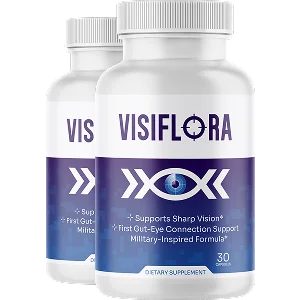
VisiFlora
Listed ingredients include astaxanthin, vitamins C and E, grape seed extract, rutin, quercetin, taurine, alpha lipoic acid and ginkgo biloba. None of the sources provided here show that these improve night vision or treat night blindness, so evidence for this topic is lacking. It contains no vitamin A.
Listed ingredients: Astaxanthin, Vitamin C, Vitamin E, Copper, Selenium, Chromium
TheyaVue
This product lists bilberry extract, along with lutein, zeaxanthin, vitamins C and E, zinc and rutin. The bilberry review did not find clear support for a night vision benefit, and the other ingredients are not established treatments for night blindness. It does not list vitamin A.
Listed ingredients: Lutein, Zeaxanthin, Vitamin C, Calcium, Vitamin E, Bilberry Extract
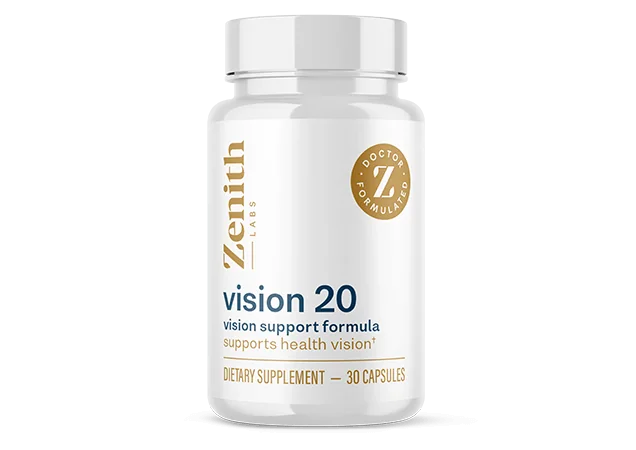
Vision 20
This product lists vitamin A as retinyl palmitate and beta-carotene, which relate to the vitamin A deficiency cause of night blindness. Extra vitamin A is not shown to help people who are not deficient, and too much preformed vitamin A can be harmful. Its bilberry extract is not clearly supported for night vision.
Listed ingredients: Lutein, Zeaxanthin, Zinc, Beta-carotene, Lycopene, Rose Hips
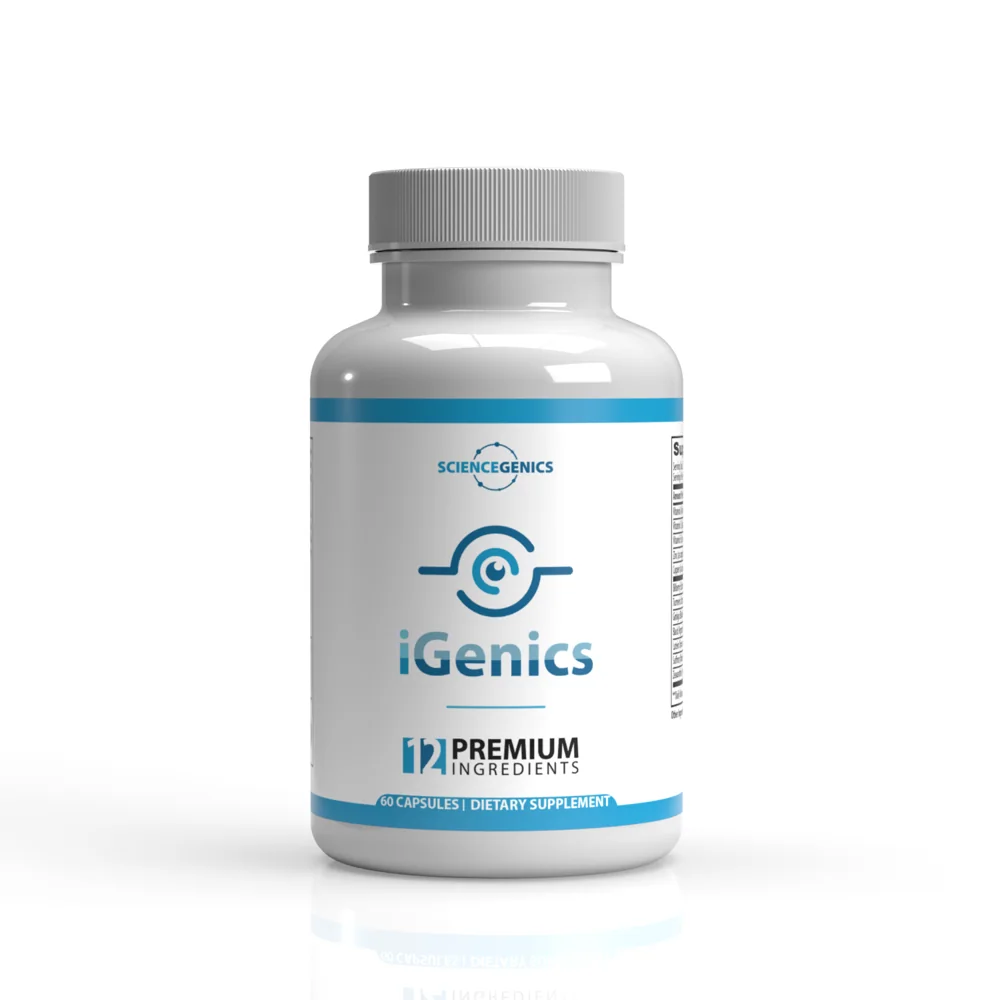
iGenics
Listed ingredients include bilberry, ginkgo biloba, saffron, turmeric and an AREDS-2 type formula that is not itemized. The bilberry review did not find clear support for night vision benefits, and the sources here do not show a night vision benefit from the other ingredients. It does not itemize vitamin A.
Listed ingredients: Ginkgo biloba, AREDS-2 formula ingredients (not itemized), Bilberry, Saffron, Turmeric + BioPerine
Frequently asked questions
What is the difference between poor night vision and night blindness?
The terms are often used for the same problem: trouble seeing in dim light or darkness[2]. It is a symptom with several possible causes, and an eye exam can find which one applies[1].
Can cataracts cause trouble seeing at night?
Yes. Cataracts cloud the lens of the eye[5], and night blindness can be one result. Surgery to remove a cataract may improve the problem, so an eye doctor should evaluate it[2].
Does vitamin A help night vision?
Vitamin A is needed for vision, and a deficiency can cause night blindness[3]. If vitamin A levels are normal, extra is not shown here to improve night vision, and too much preformed vitamin A can be harmful[3]. Check with a doctor before taking it.
Does bilberry improve night vision?
A systematic review of studies on bilberry did not find clear support for a night vision benefit[4]. Evidence is limited, so bilberry should not be relied on in place of an eye exam or treatment.