Night Vision FAQ: Answers About Poor Night Vision and Night Blindness
Trouble seeing in dim light is common, and it can be unsettling, especially when driving. This page answers the questions people ask most about night vision, from causes to supplements. It is general information, not a diagnosis, and an eye doctor is the right person to find out what is behind any change in night vision.
- Night blindness is a symptom with several possible causes, including cataracts, vitamin A deficiency, and retinitis pigmentosa.
- Some causes, such as cataracts and the need for corrective lenses, can be treated, so an eye exam comes first.
- Vitamin A deficiency is a known cause, but extra vitamin A will not help if levels are already adequate, and too much can be harmful.
- A systematic review found the evidence that bilberry improves night vision is not convincing.
- If night driving feels unsafe, limit it and book an eye exam.
How to use this page
Poor night vision is a symptom, not a condition in itself. Some causes are easy to correct, such as an out-of-date glasses prescription. Others need a full eye exam. For broader background, see the eye health hub.
No supplement has been shown to restore night vision. The answers below separate what the sources support from what they do not.
A note on sudden changes
A sudden drop in vision, new flashes or floaters, or eye pain needs prompt medical attention. A gradual loss of night vision should also be checked, because the cause determines the treatment[1].
Eye supplements we have reviewed
Want to compare products? Read what the research says about nutrients for night vision first, then compare the products below.
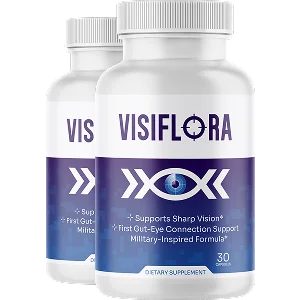
VisiFlora
Listed ingredients: Astaxanthin, Vitamin C, Vitamin E, Copper, Selenium, Chromium
TheyaVue
Listed ingredients: Lutein, Zeaxanthin, Vitamin C, Calcium, Vitamin E, Bilberry Extract
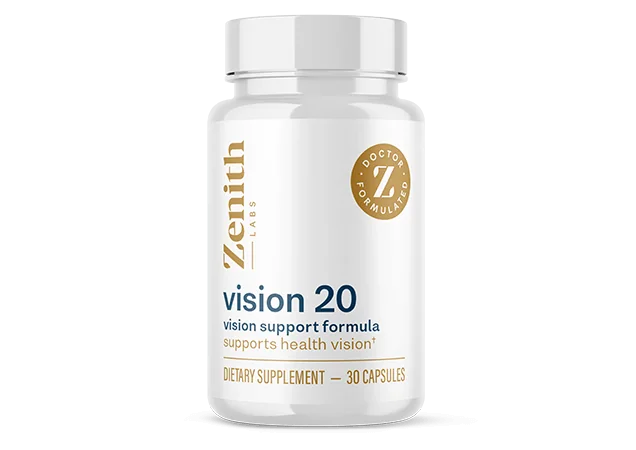
Vision 20
Listed ingredients: Lutein, Zeaxanthin, Zinc, Beta-carotene, Lycopene, Rose Hips
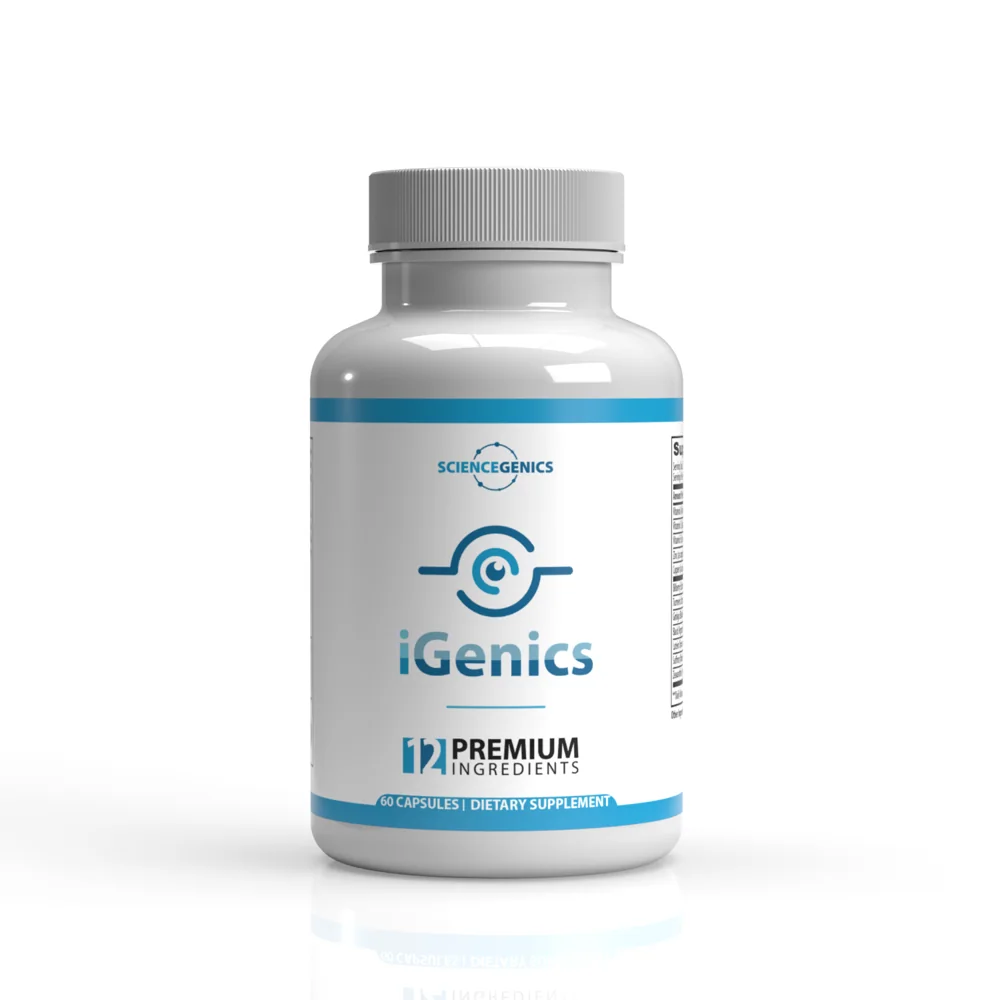
iGenics
Listed ingredients: Ginkgo biloba, AREDS-2 formula ingredients (not itemized), Bilberry, Saffron, Turmeric + BioPerine
Frequently asked questions
What is night blindness?
Night blindness, also called nyctalopia, is difficulty seeing in dim light or at night. Despite the name, it does not mean total blindness in the dark. It is a symptom of an underlying problem rather than a disease itself[1][2].
What causes poor night vision?
Common causes include nearsightedness, cataracts, vitamin A deficiency, and inherited retina conditions such as retinitis pigmentosa[1][2]. Because the causes differ so much, the symptom alone cannot tell you which one applies. An eye exam is the way to find out.
Can cataracts affect night vision?
Yes. A cataract is a clouding of the eye's lens, and it can make it harder to see at night and cause glare from headlights[3]. Cataracts are treated with surgery when they interfere with daily life[3]. Our cataracts site covers this in more detail.
Can a vitamin A deficiency cause night blindness?
It can. Night blindness is one of the early signs of vitamin A deficiency, because the vitamin is needed for the light-sensing cells of the retina[4]. Deficiency is uncommon in the United States but more common in parts of the world where diets are limited[4]. A doctor can help determine whether low vitamin A is a realistic explanation.
Should I take vitamin A supplements for night vision?
Only if a doctor has found a deficiency or a reason to take it. Supplements are not shown to improve night vision in people who already get enough vitamin A. Too much preformed vitamin A can be harmful, and high intakes during pregnancy may cause birth defects[4]. The fact sheet sets an upper limit for adults, so check labels and talk with a clinician before supplementing[4].
Does bilberry improve night vision?
The evidence is weak. A systematic review of controlled trials found that early, smaller studies looked favorable, but better-designed trials did not show a benefit. Its authors concluded that the claim is not supported by reliable evidence[5]. Bilberry has not been shown to help with night blindness caused by a medical condition.
Is retinitis pigmentosa the same as ordinary night blindness?
No. Retinitis pigmentosa is an inherited group of retinal disorders in which night vision difficulty is often an early sign, and it can progress over time[1]. Someone with this kind of night vision loss needs diagnosis and monitoring by an eye specialist. Supplements should not be treated as a substitute for that care.
Are there tips for driving at night with poor night vision?
A few practical steps may make night driving less stressful:
- Keep the windshield, mirrors, and headlights clean.
- Slow down and leave extra distance.
- Avoid looking directly at oncoming headlights.
- Wear your current prescription lenses.
- Skip night driving if glare or dim light makes it feel unsafe.
If headlight glare is getting worse, ask an eye doctor whether a cataract could be a factor[3].
Are lutein and zeaxanthin helpful for night vision?
The sources provided here do not show that lutein or zeaxanthin improve night vision. These carotenoids are discussed mainly in relation to other aspects of eye health. See the lutein and zeaxanthin site for a closer look at what they have been studied for.
When should I see an eye doctor about night vision?
Book an exam if you notice that dim light is harder than it used to be, if you avoid driving at night, or if night vision trouble comes with other changes such as blurry vision[2]. Treatment depends on the cause, and some causes can be corrected[1].