Night Vision: Nutrients and Supplements With Real Research
Trouble seeing in dim light worries many people, and supplement ads often promise a quick fix. Only a few nutrients have real research behind them for night vision, and the evidence is stronger for some than for others. This page covers what the studies did and did not show, where to get these nutrients from food, how to stay within safe amounts, and how to read an eye supplement label.
- Night blindness is a symptom with several causes, including cataracts, vitamin A deficiency, nearsightedness and retinitis pigmentosa[1].
- Vitamin A has the clearest link to night vision, but it helps mainly when a person is actually deficient, which is rare in the US[2].
- A systematic review of controlled trials did not support bilberry for improving night vision[3].
- Stay under the 3,000 mcg RAE upper limit for preformed vitamin A, and be extra careful in pregnancy and with beta-carotene if you smoke[2].
- See an eye doctor for any change in night vision; supplements are not a substitute for diagnosis.
Why night vision declines: nutrients are only one cause
Night blindness means difficulty seeing in dim light or at night. It is a symptom, not a disease, and it has several possible causes. The American Academy of Ophthalmology lists nearsightedness, cataracts, vitamin A deficiency and retinitis pigmentosa among them[1]. MedlinePlus also describes night blindness as a sign that something else may be going on, and notes that some causes can be treated while others cannot[4].
This matters for supplements. A nutrient can only help if low intake is part of the problem. Cataracts, which cloud the lens, can cause glare and trouble seeing in low light[5]. Treatment for cataracts is a matter for an eye doctor, and the usual option discussed by the National Eye Institute is surgery when symptoms interfere with daily life[5]. Retinitis pigmentosa is an inherited retinal condition[1]. A supplement should not be assumed to help with either.
If night vision has changed, see an eye doctor first. A supplement should not delay an exam. For related topics, see cataracts and blurry vision.
Vitamin A: the clearest link to night vision
Vitamin A is the nutrient with the most direct tie to this topic. The NIH Office of Dietary Supplements explains that vitamin A is needed for normal vision, and that one early sign of deficiency is night blindness[2]. Severe, long-lasting deficiency can also damage the surface of the eye[2].
The key point is who is actually at risk. Deficiency is rare in the United States but more common in parts of the world with limited access to varied foods[2]. People whose bodies absorb fat poorly may also be at higher risk, because vitamin A is fat-soluble[2]. For a person who is truly deficient, correcting the deficiency is appropriate and a doctor can confirm it.
For a person who eats a varied diet and has normal vitamin A status, there is no good reason to expect extra vitamin A to sharpen night vision. The evidence supports fixing a shortfall, not boosting vision beyond normal. The sources used here do not show that vitamin A supplements help night blindness caused by cataracts, nearsightedness or retinitis pigmentosa.
Bilberry: what the systematic review found
Bilberry is a European blueberry relative. A popular story says British pilots ate bilberry jam to see better on night missions. That story is not research evidence.
The formal research is a systematic review by Canter and Ernst, published in Survey of Ophthalmology in 2004. It looked at controlled trials of bilberry anthocyanosides for night vision[3]. The authors concluded that the better-designed controlled trials did not support the claim that bilberry improves night vision, even though some earlier, weaker studies had suggested a benefit[3].
What this does and does not mean:
- Did show: no reliable benefit for night vision in the controlled trials reviewed[3].
- Did not show: that bilberry is harmful, or that it can never help. The review covered a small body of trials with varying quality, so it cannot rule everything out.
- Limit: this review is from 2004 and looked at night vision specifically. It does not address other eye conditions.
The fair summary is that evidence for bilberry and night vision is weak and does not support strong claims.
Other common ingredients: what the sources here do and do not support
Eye formulas often list many ingredients beyond vitamin A and bilberry, including lutein, zeaxanthin, zinc, vitamins C and E, grape seed extract, ginkgo, taurine and others. The sources used for this page do not show that any of these improve night vision or treat night blindness. That is not proof they do nothing. It means there is no good support in the research reviewed here for a night vision claim.
Lutein and zeaxanthin are carotenoids found in the retina and are discussed mostly in the context of long-term eye health. If you want more detail, see lutein and zeaxanthin. For a wider look at diet and eye care, see eye health.
Be cautious when a label implies that a long ingredient list adds up to better night vision. More ingredients do not mean more evidence.
Food sources, doses and safety
Food is the safest way to cover vitamin A needs. The Office of Dietary Supplements describes two forms[2]:
- Preformed vitamin A (retinol): found in animal foods such as beef liver, eggs, fish and fortified milk.
- Provitamin A carotenoids (such as beta-carotene): found in colorful plant foods such as sweet potatoes, carrots, spinach and other leafy greens.
The recommended dietary allowance for adults is 900 mcg RAE per day for men and 700 mcg RAE for women[2]. Most people in the United States meet this through food[2].
Safety limits
More is not better. The tolerable upper intake level for preformed vitamin A in adults is 3,000 mcg RAE per day[2]. Too much preformed vitamin A over time can cause toxicity, with symptoms that can include headache, nausea and liver damage[2]. Excess preformed vitamin A during pregnancy can cause birth defects, so pregnant women should be especially careful and talk to a doctor[2].
Beta-carotene from food is not linked to the same toxicity, but high-dose beta-carotene supplements have raised lung cancer risk in smokers, according to the Office of Dietary Supplements[2]. People who smoke should discuss any beta-carotene supplement with a doctor.
Supplements can also interact with medicines. Ask a pharmacist or doctor before starting one, especially if you take prescription drugs.
How to judge an eye supplement label
Use these checks before buying anything marketed for night vision:
- Look for disease or vision claims. A product should not claim to cure, reverse or treat night blindness, cataracts or any eye disease. Treat such claims as a warning sign.
- Check the vitamin A form and amount. Labels may list retinyl palmitate (preformed) or beta-carotene. Compare the amount with the upper limit of 3,000 mcg RAE for preformed vitamin A, and add what you get from other supplements and fortified foods[2].
- Watch for proprietary blends. If amounts are not listed per ingredient, you cannot judge dose or safety.
- Match ingredients to evidence. Ask what research supports each ingredient for your specific concern. For bilberry and night vision, the controlled-trial evidence is not supportive[3].
- Check for overlap. A multivitamin plus an eye formula can double up on vitamin A.
- Look for third-party testing. Independent testing seals can confirm that the contents match the label, though they do not prove the product works.
- Be wary of testimonials. Personal stories are not evidence.
Night driving and what to do next
Until the cause is known, be careful with driving after dark. Practical steps include keeping the windshield and headlights clean, reducing speed, and avoiding night driving if glare or poor vision makes it unsafe. Then book an eye exam. An eye doctor can check for cataracts, refractive error and retinal conditions, and can order blood tests if vitamin A deficiency is suspected[1].
Eye supplements we have reviewed
These are the 4 eye-health supplements we have reviewed on HealthSupplements.best. None of them is proven to treat or prevent night vision; talk to your eye doctor before starting any supplement, especially if you take other medicines.
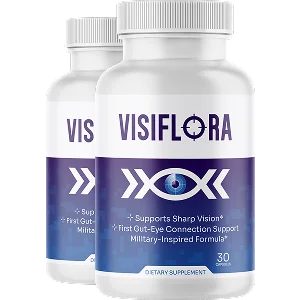
VisiFlora
Its listed ingredients include vitamins C and E, selenium, grape seed extract, ginkgo and others. None of the sources used here show that these improve night vision or treat night blindness, so evidence for this topic is lacking. It does not list vitamin A or bilberry.
Listed ingredients: Astaxanthin, Vitamin C, Vitamin E, Copper, Selenium, Chromium
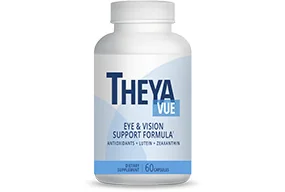
TheyaVue
It lists bilberry extract, and the systematic review of controlled trials did not support bilberry for night vision. Lutein, zeaxanthin, zinc and the other listed ingredients have no good evidence in the sources used here for night vision specifically. It does not list vitamin A.
Listed ingredients: Lutein, Zeaxanthin, Vitamin C, Calcium, Vitamin E, Bilberry Extract
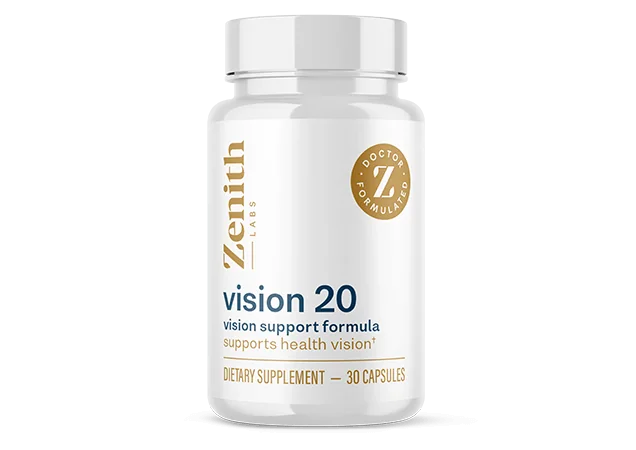
Vision 20
It lists vitamin A as retinyl palmitate and beta-carotene, the nutrient family most tied to night vision, but this matters mainly for people who are deficient. Total preformed vitamin A should stay under the upper limit, and smokers should be cautious with beta-carotene. Its bilberry extract is not supported for night vision by the controlled-trial review.
Listed ingredients: Lutein, Zeaxanthin, Zinc, Beta-carotene, Lycopene, Rose Hips
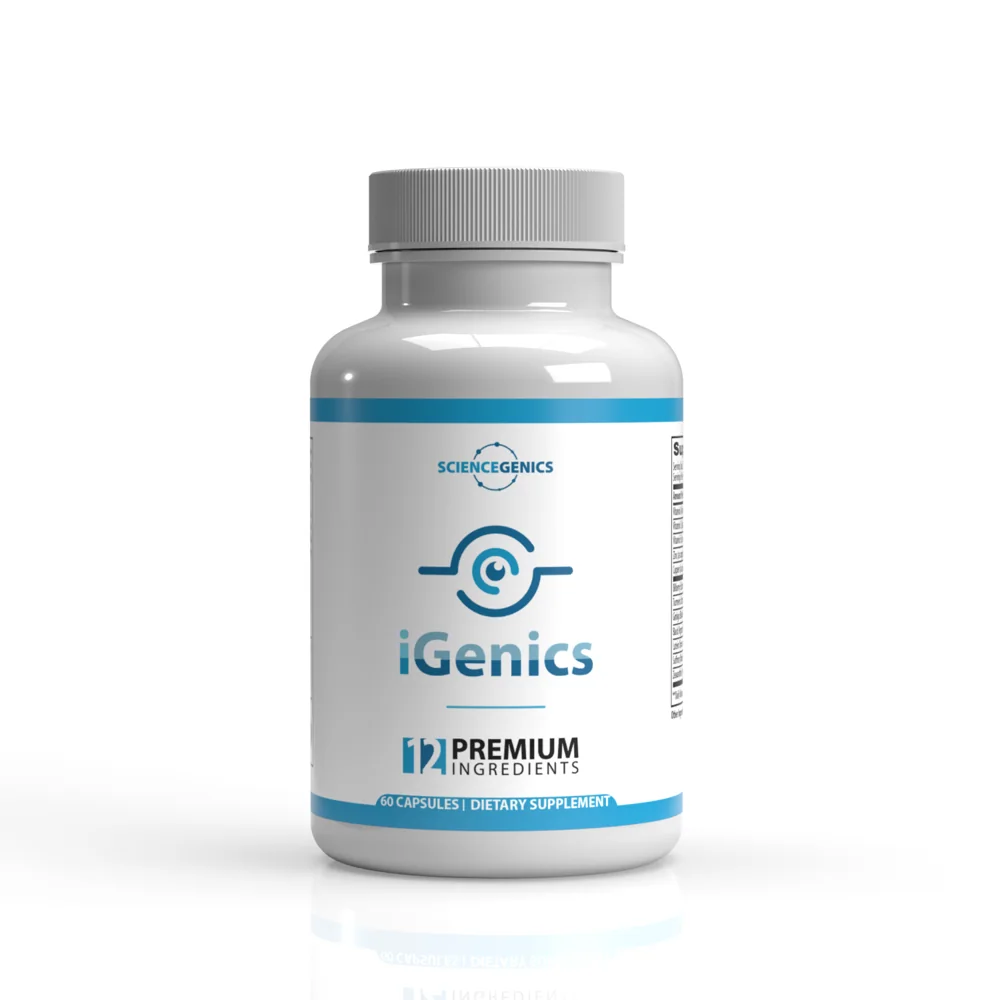
iGenics
It lists bilberry, which the controlled-trial review did not support for night vision. Ginkgo, saffron and turmeric have no good evidence in the sources used here for night vision, and the AREDS-2 ingredients are not itemized, so amounts cannot be judged from the listing.
Listed ingredients: Ginkgo biloba, AREDS-2 formula ingredients (not itemized), Bilberry, Saffron, Turmeric + BioPerine
Frequently asked questions
Can vitamin A supplements fix poor night vision?
Only when the cause is low vitamin A. Night blindness is an early sign of deficiency, but deficiency is uncommon in the US[2]. Poor night vision has other causes, such as cataracts, that vitamin A is not shown to address[1]. An eye doctor can tell which applies.
Does bilberry improve night vision?
The best available review of controlled trials did not support that claim[3]. Older, weaker studies had suggested a benefit, but the better-designed trials did not confirm it. Evidence is limited, and bilberry should not replace an eye exam.
Can cataracts cause trouble seeing at night?
Yes. Cataracts can cause glare and difficulty seeing in dim light[5]. An eye doctor can diagnose them and discuss treatment options.
Is it safe to take extra vitamin A for my eyes?
Not without limits. Preformed vitamin A has an upper intake level of 3,000 mcg RAE per day for adults, and too much can be toxic or harm a developing baby[2]. Check with a doctor or pharmacist before taking a supplement, especially if you are pregnant or smoke.